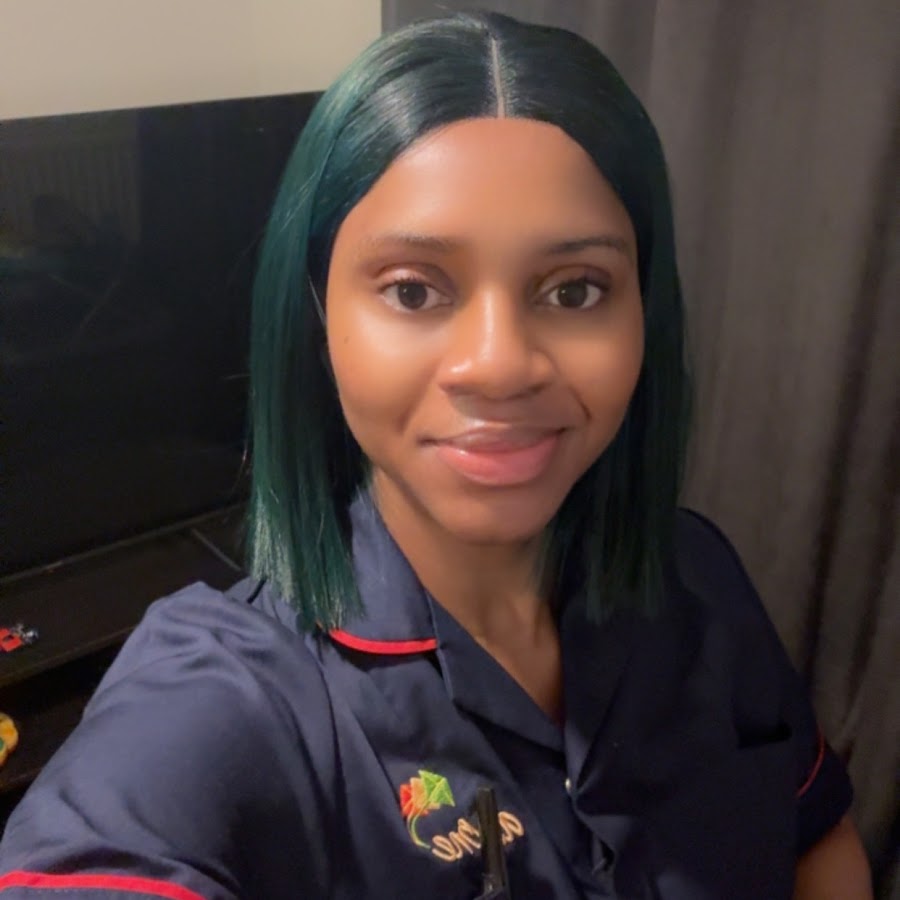
 Nurse Bibiana
UK-trained Mental Health Nurse | Working in a Psychiatric Intensive Care unit (PICU) 🧠 | Mum of 3 💕 | Wife to an Anaesthetist 💉 | On a mission to break the stigma & raise mental health awareness.
Nurse Bibiana
UK-trained Mental Health Nurse | Working in a Psychiatric Intensive Care unit (PICU) 🧠 | Mum of 3 💕 | Wife to an Anaesthetist 💉 | On a mission to break the stigma & raise mental health awareness.
Nurse Bibiana
IMPORTANCE OF MENTAL HEALTH SCREENING
Mental health screenings are super important, but people don’t always realize just how much they can make a difference. Think of it like this: just like you go for a regular check-up at the doctor to make sure your body is in good shape, mental health screenings do the same for your mind. They’re kind of like a quick “check-in” to see how you’re really doing emotionally and mentally. And honestly, taking care of your brain and feelings is just as crucial as taking care of your body.
A lot of times, folks don’t even notice when their mental health is slipping because it’s not as obvious as a broken arm or a fever. It sneaks up on you — maybe you start feeling super stressed, or sad, or just kinda “off” for a while, and you brush it off like it’s no big deal. But those little signs can add up, and if they’re left unchecked, things can get way worse before anyone notices. That’s where mental health screenings come in handy. They help catch those early warning signs before they turn into something major.
When you get a mental health screening, it’s not like a super intense therapy session where you have to spill your life story right away. It’s usually a quick questionnaire or chat that helps professionals figure out if you might be struggling with stuff like anxiety, depression, or other mental health issues. And this isn’t just for people who think they have a problem. Even if you feel okay, it’s good to do it sometimes because stress and emotional ups and downs are part of life, and it’s helpful to have a baseline or know when things might be shifting.
One of the biggest reasons why these screenings matter is because they can lead to early treatment. Catching mental health issues early can seriously change the game. When you get help sooner, it’s way easier to manage or even beat the problem. It can mean less time feeling miserable, fewer disruptions in your daily life, and a way smoother path to feeling like yourself again. Plus, early intervention can reduce the risk of more serious problems down the line, like substance abuse or even suicidal thoughts.
Another thing is that mental health screenings help break the stigma around mental health. There’s still a lot of judgment and misunderstanding about mental health stuff, and a lot of people feel weird or embarrassed about talking about their feelings or struggles. When screenings become a normal part of healthcare — like brushing your teeth or getting a flu shot — it helps normalize the whole conversation. People start seeing mental health care as just another part of staying healthy, not something to be ashamed of.
Screenings also open up the door for people to get connected with the right support and resources. Sometimes, you don’t even realize help is out there, or you don’t know where to start. But once you get screened, professionals can guide you towards counselling, support groups, medication if needed, or just some solid advice on how to cope better. It’s all about making sure nobody has to deal with their mental health struggles alone.
At the end of the day, mental health screenings are about catching problems early, normalizing the conversation, and getting people the help they deserve. They’re a simple but powerful tool that can totally change lives. So, don’t wait until things get really bad — getting checked out mentally is just as important as any other health check. Taking care of your mind means you’re investing in yourself, your happiness, and your future. And that’s something everyone deserves.
#MentalHealthMatters
#CheckInOnYourself
#MentalHealthAwareness
#BreakTheStigma
#EarlyIntervention
#SelfCare
#MindHealth
#MentalWellness
#YouAreNotAlone
#MentalHealthScreening
#StayMentallyHealthy
#TalkAboutIt
#MentalHealthSupport
#EmotionalWellness
#TakeCareOfYou
2 months ago | [YT] | 1
View 0 replies
Nurse Bibiana
Mental Health and Pregnancy (Perinatal & Postpartum)
Alright, let’s talk about something super important but often ignored—mental health during pregnancy and after having a baby. When people think about pregnancy, they usually picture glowing moms and happy vibes, but real talk? It’s a wild ride that messes with your body and mind more than you’d expect. The whole time from getting pregnant to about a year after giving birth is called the perinatal period, and mental health during this phase is a big deal.
You wouldn’t believe how many people go through some kind of mental health struggle when they’re expecting or just had a baby. Studies say like 1 in 5 moms deal with stuff like depression or anxiety. And it’s not just “feeling a bit down” or the classic “baby blues” that last a few days. We’re talking serious, heavy stuff that can stick around and mess with your day-to-day life. Depression during this time can make you feel super low, tired all the time, or just not able to bond with your baby—which can feel really scary and isolating.
Anxiety is also a big player here. Imagine worrying about your baby nonstop—like every little sneeze or cry sends you into full panic mode. Some moms have intrusive thoughts that are totally unwanted and freak them out, but they’re not alone in this. It’s tough but it’s also super common, even if people don’t always talk about it.
And then there’s the scary end of the spectrum—postpartum psychosis. This one’s rare but serious. It can hit fast, usually within the first couple weeks after birth, and it can make someone see or hear things that aren’t there or have wild mood swings. It’s definitely an emergency and needs immediate help.
So, why does all this happen? Well, a bunch of reasons. Your body’s going through insane hormonal changes that can mess with your brain chemistry. Throw in stress from sleepless nights, relationship drama, money worries, or not having enough support, and it’s a recipe for mental health challenges. Also, if you’ve dealt with mental health issues before, pregnancy can sometimes bring those feelings back. But here’s the kicker: sometimes it just hits out of nowhere, so no shame if you find yourself struggling.
The good news? Help is out there, and things CAN get better. Therapy, like talking to a counsellor or therapist, can work wonders. There are meds that are safe to take while pregnant or breastfeeding—don’t be afraid to ask a doc about it. And honestly, just having people around who get it and support you can make a world of difference. Partners, friends, family, even online support groups can help break the isolation and remind you you’re not alone.
The bottom line is this: mental health in pregnancy and postpartum is real, it’s common, and it’s nothing to be ashamed of. If you’re feeling overwhelmed, anxious, or just “off,” reach out. Whether it’s to a healthcare provider, a trusted friend, or a support group, talking helps. Taking care of your mental health is just as important as those doctor visits and prenatal vitamins because it’s all connected—to your well-being and your baby’s future.
So, keep an eye on how you’re feeling, be kind to yourself, and don’t be shy about asking for help. Motherhood is tough, and you deserve to have the support you need to get through it. Remember, you’re not alone on this journey.#PerinatalMentalHealth
#PostpartumSupport
#MentalHealthMatters
#PregnancyJourney
#NewMomStruggles
#ItsOkayNotToBeOkay
#MomLifeRealTalk
#BreakTheStigma
#YouAreNotAlone
#MomsSupportingMoms
#MentalHealthAwareness
#PregnancyAndMentalHealth
#PostpartumDepression
#EndTheSilence
#SelfCareForMoms
#ParentingWithMentalHealth
#StrongMoms
#MentalWellnessJourney
#MotherhoodUnfiltered
#TalkAboutIt
2 months ago | [YT] | 2
View 0 replies
Nurse Bibiana
The Silent Struggle: Barriers Men Face in Seeking Help for Mental Health
Mental health has become a more widely discussed topic in recent years, yet one group continues to face unique challenges when it comes to seeking help: men. Despite growing awareness and increasing resources, a significant number of men continue to suffer in silence, often without receiving the support they need. This silence is not accidental — it is the result of deep-rooted societal expectations, cultural norms, and structural barriers that discourage vulnerability and reinforce outdated ideals of masculinity.
From an early age, many boys are socialized to believe that strength means emotional restraint. Phrases like “man up” or “boys don’t cry” are not harmless sayings; they are powerful messages that teach young men to suppress rather than express their emotions. As they grow older, this conditioning often evolves into an internalized belief that seeking help — especially for emotional or psychological issues — is a sign of weakness. In reality, this couldn’t be further from the truth. Asking for help requires self-awareness, courage, and strength — qualities that are essential, not optional, in the journey to mental well-being.
Beyond cultural expectations, there is also a pervasive fear of judgment. Men often worry that admitting to anxiety, depression, or emotional distress may result in them being perceived as incapable, unstable, or less of a man. This stigma is particularly strong in environments that value stoicism and resilience, such as high-pressure workplaces, athletic communities, or military settings. Rather than risk social or professional consequences, many men choose to remain quiet, even when they are struggling.
Another critical barrier is a lack of mental health literacy. Many men are not taught to recognize the signs of mental illness in themselves. They may experience symptoms of depression not as sadness, but as irritability, anger, or burnout — symptoms that are easily dismissed or misunderstood. Additionally, some men are unaware of the support options available to them, or they may not feel comfortable with the typical therapeutic approach, which often centers on emotional exploration and open dialogue — things they’ve been taught to avoid.
There are also structural factors that play a role. The healthcare system itself is not always designed in a way that feels accessible or welcoming to men. For those who do seek help, the experience may feel disconnected from their needs or identity, further discouraging continued engagement. And for men from marginalized backgrounds — whether due to race, socioeconomic status, or sexual orientation — the barriers are often compounded by systemic inequality and a lack of culturally competent care.
Breaking this cycle requires intentional effort at every level. We must begin by challenging the narrow definitions of masculinity that prevent men from acknowledging their emotions. We need to create spaces — in homes, schools, workplaces, and communities — where emotional honesty is encouraged rather than penalized. Education also plays a vital role: men must be equipped with the knowledge to recognize when they are struggling and the tools to access the support they need. Most importantly, we must continue to normalize open conversations about mental health among men, led by those who are willing to speak out and show that vulnerability is not weakness, but a form of strength.
The silent struggle of men’s mental health is not inevitable. It is a societal issue that can be addressed through awareness, empathy, and action. Every conversation matters. Every story shared chips away at the stigma. And every man who reaches out for help takes a step not only toward healing, but toward reshaping the culture for others. #endthestigma #mentalhealthawareness # mentalhealthmatters
2 months ago | [YT] | 1
View 0 replies
Nurse Bibiana
🌍 World Mental Health Day – October 10th
Today, on World Mental Health Day, we come together to recognize the importance of mental well-being and to reaffirm our commitment to creating a world where mental health is a priority for all.
Mental health is not a luxury—it is a universal human right. Yet, too often, conversations around mental health are silenced by stigma, lack of understanding, or limited access to care. This day serves as a reminder that mental health is just as vital as physical health, and that no one should face their struggles alone.
The theme this year, “Mental health is a universal human right,” urges us to break down barriers, support each other with compassion, and advocate for accessible, quality mental health care for everyone—no matter who they are or where they live.
Let this day be more than awareness—let it be action.
💚 Check in on a friend.
💚 Be kind to yourself.
💚 Speak up for mental health.
💚 Push for policies that protect mental well-being.
Together, we can build a more understanding, resilient, and mentally healthy world.
#WorldMentalHealthDay #MentalHealthMatters #EndTheStigma #YouAreNotAlone
2 months ago | [YT] | 1
View 0 replies
Nurse Bibiana
"A Woman Who Builds Herself Is Harder to Break"
Too often, women are raised to believe that once they marry, their personal growth pauses — that their identity is now tied solely to being a wife or mother. But the truth is: the most fulfilled and mentally strong women in marriage are the ones who continue to invest in themselves — emotionally, spiritually, financially, and intellectually.
When a woman builds herself — through education, skills, a career, self-awareness, and emotional maturity — she becomes more than just a partner. She becomes her own safe space. She doesn’t rely on her partner for her worth, stability, or validation.
This self-development doesn’t make her “too independent” — it makes her balanced. And most importantly:
She will not tolerate emotional or sexual betrayal disguised as ‘normal’ marriage problems.
She will not normalize pain as the price of love.
She will not trade her mental health for societal pressure to 'keep the home together.’
Spousal infidelity is not just a physical betrayal — it’s an emotional wound. And when a woman is whole within herself, she knows that she is not responsible for another adult’s choices, and she has every right to set boundaries or walk away without shame.
Marriage should be a partnership of mutual respect, not a place where one person sacrifices their mental and emotional health to preserve an illusion.
To every woman out there: build yourself. Stay grounded in who you are. Learn. Grow. Earn. Heal. Because when you do, you’ll never again tolerate less than you deserve — in marriage, or in life. #knowyourworth##womendevelopyourself##selflove#
2 months ago | [YT] | 1
View 0 replies
Nurse Bibiana
Fighting stigma through education and empathy.
As a Nigerian and licensed mental health Nurse , I want to talk about something that truly matters—stigma. Fighting stigma starts with education and empathy. Many of us grew up in communities where mental illness is misunderstood or seen as a spiritual attack or a curse. But with the right education, we can start changing that mindset.
Mental health conditions are real, medical, and treatable. When people understand this, they’re less likely to judge or isolate those who are struggling.
But you see, education alone is not enough. Empathy is just as important. We must learn to listen with compassion, not with condemnation. Instead of calling someone “mad” or “possessed,” let’s ask, “How can I support you?”
Let’s also be open—share our stories, have honest conversations. It helps people see that they’re not alone. It shows the human side of mental health.
When we educate ourselves and show empathy, we create safer, kinder spaces—whether it’s in our families, our churches, our workplaces, or our communities.
Together, we can break the silence, end the shame, and make mental health care something we all feel safe to talk about and seek out.
Thank you for listening. Let’s keep spreading awareness, with love and understanding .
#mentalhealthsupport #mentalhealthawareness #mentalhealthmatters #mentalhealthawarenessweek
5 months ago | [YT] | 0
View 0 replies
Nurse Bibiana
How Language and its impact (e.g., “crazy,” “psycho”) contributes or causes to mental health stigma
Language plays a powerful role in shaping perceptions and attitudes toward mental health, and the use of derogatory terms like “crazy,” “psycho,” “lunatic,” or “schizo” significantly contributes to the stigma surrounding mental illness. These terms are often used casually or humorously in everyday conversation, media, and pop culture, yet they carry deeply negative connotations that reinforce harmful stereotypes.
Such language dehumanizes individuals experiencing mental health conditions, portraying them as unpredictable, dangerous, or irrational. This fosters fear, misunderstanding, and social distancing, making it more difficult for those affected to speak openly about their experiences or seek professional help.
Moreover, repeated exposure to stigmatizing language can lead individuals to internalize these labels, resulting in self-stigma, reduced self-esteem, and reluctance to engage in treatment. For some, it may also exacerbate symptoms of anxiety or depression.
Promoting respectful, accurate, and person-first language—such as “a person living with schizophrenia” rather than “a schizophrenic”—is essential in creating a more inclusive and supportive environment for mental health awareness and recovery.
5 months ago | [YT] | 2
View 0 replies
Nurse Bibiana
Common myths and misconceptions about mental health
As a mental health professional, it is critical to address the pervasive myths and misconceptions that contribute to stigma, hinder early intervention, and discourage individuals from seeking appropriate care. One widespread myth is that mental illness is a result of personal weakness or lack of discipline. In reality, mental health conditions are complex and multifactorial, arising from genetic, neurobiological, psychological, and environmental influences. They are not indicative of character flaws or moral failings.
Another common misconception is the belief that individuals with mental illness are inherently violent or unpredictable. Empirical evidence consistently shows that the vast majority of people living with mental health conditions are non-violent and pose no risk to others. In fact, they are more likely to be victims of violence than perpetrators.
Additionally, many assume that mental health disorders are rare or only affect specific populations. In truth, mental health conditions are prevalent across all age groups, cultures, and socioeconomic backgrounds. The belief that only severe cases require professional treatment also undermines the importance of early intervention, which is often key to successful outcomes.
Dispelling these myths through education, open dialogue, and evidence-based advocacy is essential for reducing stigma, promoting mental health literacy, and fostering a more compassionate, inclusive approach to mental well-being.
5 months ago | [YT] | 1
View 1 reply