
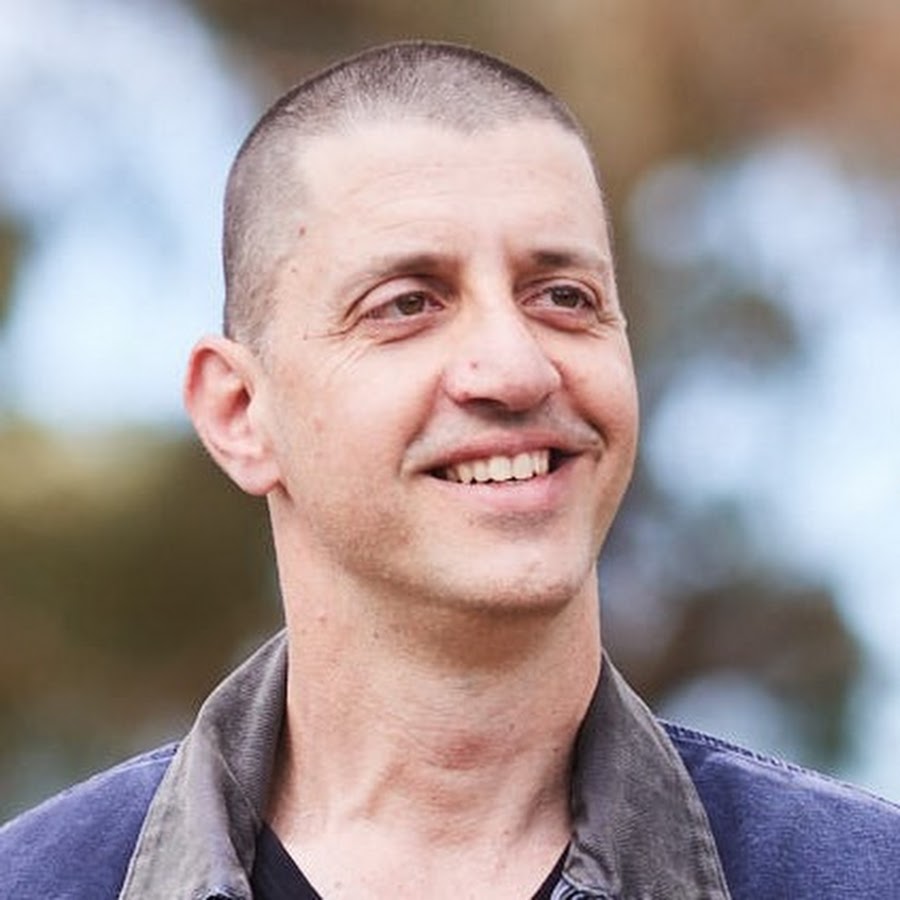
 Bill Gasiamis
Recovery After Stroke was created by Bill Gasiamis, a three-time stroke survivor who knows how disorienting life can feel after discharge. Like many, Bill found the medical side of recovery ended far too soon leaving a gap when it came to emotional, mental, and everyday support.
Determined to fill that gap, Bill started interviewing stroke survivors, caregivers, and health experts from around the world. What began as a way to share stories has grown into a trusted space for thousands navigating life after stroke.
On this channel, you’ll find hundreds of honest, hopeful, and practical conversations that go beyond rehab exercises and into the heart of what it means to heal.
Whether you’re newly diagnosed or years into recovery, this is a place to feel seen, supported, and reminded that you’re not alone — and your recovery is still unfolding.
Medical Disclaimer:
All content is for general informational purposes only and is not a substitute for medical advice, diagnosis, or treatment.
Bill Gasiamis
Typing Frustrating You After Your Stroke?
The Problem:
Hand deficits make typing exhausting. Wrong keys. Constant errors. Traditional voice-to-text that doesn't work right. It keeps you from staying connected and doing what you need to do online.
I get it. My left hand constantly hits the wrong keys, and I was spending more time fixing mistakes than actually writing.
The Solution:
Then I found Wispr Flow. One button. You speak. It types. Everywhere.
Watch how simple it is in the video attached:
What Makes It Different:
Works in email, browsers, messages, documents – everywhere
Actually accurate (not like built-in voice-to-text)
Press one button and speak naturally
No more fighting with typos
I've used it for a week. It's the most time-saving tool I've ever used.
Your Next Step:
👉 [Try Wispr Flow here - Get 1 month of Pro free!]
wisprflow.ai/r?BILL305
Full transparency: I get a small benefit when you sign up, but even if you don't use my link, if this helps you, that's what matters.
Recovery is about finding tools that help us adapt. This one works.
Try it. Let me know how it goes.
Keep moving forward.
1 month ago | [YT] | 0
View 0 replies
Bill Gasiamis
There is not a lot of information on Vivistim online from users that have had the technology installed.
I would very much appreciate it if you have used Vivistim and can she some light on the effectiveness or otherwise of the product.
3 months ago | [YT] | 45
View 2 replies
Bill Gasiamis
PLEASE HELP:
Hi everyone @Catherine71000 is looking for an online support group can you recommend one that she may be able to join?
4 months ago | [YT] | 61
View 24 replies
Bill Gasiamis
📺 Healing Your Gut Could Help Your Brain Heal Too — Here’s Why (Watch Now)
If you’re still dealing with brain fog, fatigue, or stubborn stroke symptoms that just won’t budge… this episode could be the breakthrough you’ve been waiting for.
In this powerful interview, I sit down with chiropractic neurologist Dr. Michelle Eisenmann to explore how healing your gut can directly impact your brain health and recovery after stroke.
We go deep on:
✅ Why stroke survivors often develop gut issues
✅ What “leaky gut” and “leaky brain” really mean
✅ How to start healing inflammation with simple daily changes
✅ The foods and habits that may be slowing your recovery down
✅ Why YOUR choices can make a real difference — even years after stroke
👉 If you're on a recovery journey, this information is essential.
👉 If you’re a caregiver, family member, or therapist — it’s a must-watch.
👉 If you're trying to reclaim your life after stroke — you’ll feel seen and supported.
🎯 The more people who watch, the more survivors we can help. Please:
💬 Drop a comment
📲 Share with someone in recovery
👍 Like the video
🔔 Subscribe to support this mission
Watch the full video now and take one step closer to healing both your brain and your gut:
➡️ [Insert YouTube link here]
#StrokeRecovery #GutBrainConnection #RecoveryAfterStroke #Neuroplasticity #LeakyGut #BrainHealth
5 months ago | [YT] | 6
View 0 replies
Bill Gasiamis
"Has anyone who takes statins noticed a strange, bitter taste in their mouth? If you’ve experienced this side effect, please share your experience. @siewengtai9113 is going through something similar and would really appreciate hearing from others."
6 months ago | [YT] | 11
View 7 replies
Bill Gasiamis
Vivistim is something I hear about every now and then but do not know of anyone that is using it. If you are could you share a little about what it has helped with and what it does?
6 months ago | [YT] | 9
View 6 replies
Bill Gasiamis
💬 “What’s ONE thing that helped you the most in stroke recovery — physically, emotionally, or spiritually?”
I’ll go first:
👉 Learning to ask for help and stop pretending I was “fine.” That changed everything.
Let’s share the wisdom.
You never know who might need your words today.
👇 Drop yours in the comments 👇
7 months ago | [YT] | 26
View 15 replies
Bill Gasiamis
Have you ever wanted to hide details about your stroke in a job interview. Let me know why or why NOT in the comments below.
I have had a number of people who where my guest on the podcast ask me to take down their interview as they prepared to go for job interviews, incase the employer found the interview and used it against them in the selection process.
7 months ago | [YT] | 7
View 8 replies
Bill Gasiamis
Have You Had Botox To Treat Spasticity?
Did It Work?
Please Complete The Poll Below.
Does Botox Work for Spasticity After Stroke? Let’s Talk About It
Spasticity after stroke can be one of the most frustrating and painful things to deal with—especially when it affects your hand, wrist, or arm. If you’ve experienced it, you know exactly what I’m talking about: the tightness, the curling fingers, the inability to fully open your hand, or the sharp pain when trying to stretch.
That’s why many stroke survivors—maybe even you—are looking into Botox injections as a way to manage it. But the big question remains:
Does it actually work?
Botox isn’t just for wrinkles—it’s a medically approved treatment that can help relax overactive muscles by blocking nerve signals. For people with stroke-related spasticity, this can sometimes mean less pain, improved range of motion, and even better function in day-to-day tasks.
But it doesn’t work the same for everyone.
Some stroke survivors report big improvements—less stiffness, better sleep, and more control. Others say it only helped a little or wore off too soon. It’s also usually not a permanent fix—you may need to get injections every few months to maintain results. And like everything in recovery, it works best when it’s part of a larger plan: stretching, therapy, strength training, and rest.
👉 So I want to hear from you:
Have you tried Botox for spasticity after stroke?
Did it help? Would you recommend it?
Let’s open up this conversation in the comments—or take part in the poll I’ve posted.
Big thanks to CNS Neuro Rehab for the image I’ve used in this post (pictured above). They’re one of the organizations offering Botox as part of their stroke recovery services.
📌 And if you're still unsure about spasticity treatments or want more real talk from stroke survivors who’ve been through it, follow this page. More resources and stories coming your way.
7 months ago | [YT] | 6
View 27 replies
Bill Gasiamis
🌟 Living with Invisible Stroke Deficits: The Hidden Challenges of Recovery 🌟
Wow… I am truly touched by the overwhelming support and response to this video. 🙏 This was a new format for me—just walking, talking, and sharing my unfiltered experience of stroke recovery. I wasn’t sure how it would resonate, but hearing from so many of you who get it has been incredibly moving.
The reality of living with invisible stroke deficits is something most people don’t see or understand. The fatigue, the spasticity, the neurological pain that’s hard to describe—it’s all part of daily life after stroke. And while I’ve shared parts of my story before, I’ve never really opened up like this.
Your comments, messages, and personal stories have reminded me just how important it is to keep these conversations going. So, I’ll be doing more videos like this—raw, real, and honest insights into life after stroke.
If you found this video helpful, let me know in the comments. What are some of the invisible struggles you face? Let’s keep supporting each other and making sure no one feels alone in this journey. 💙
🎙️ New podcast episodes every Monday featuring real stroke survivor stories!
📚 My book, The Unexpected Way That a Stroke Became the Best Thing That Happened, dives deeper into recovery and post-traumatic growth.
🔔 Subscribe to stay updated on new videos!
#StrokeRecovery #InvisibleDeficits #LifeAfterStroke #StrokeSurvivor #StrokeFatigue #NeurologicalHealing #RecoveryAfterStroke
9 months ago | [YT] | 7
View 4 replies
Load more