
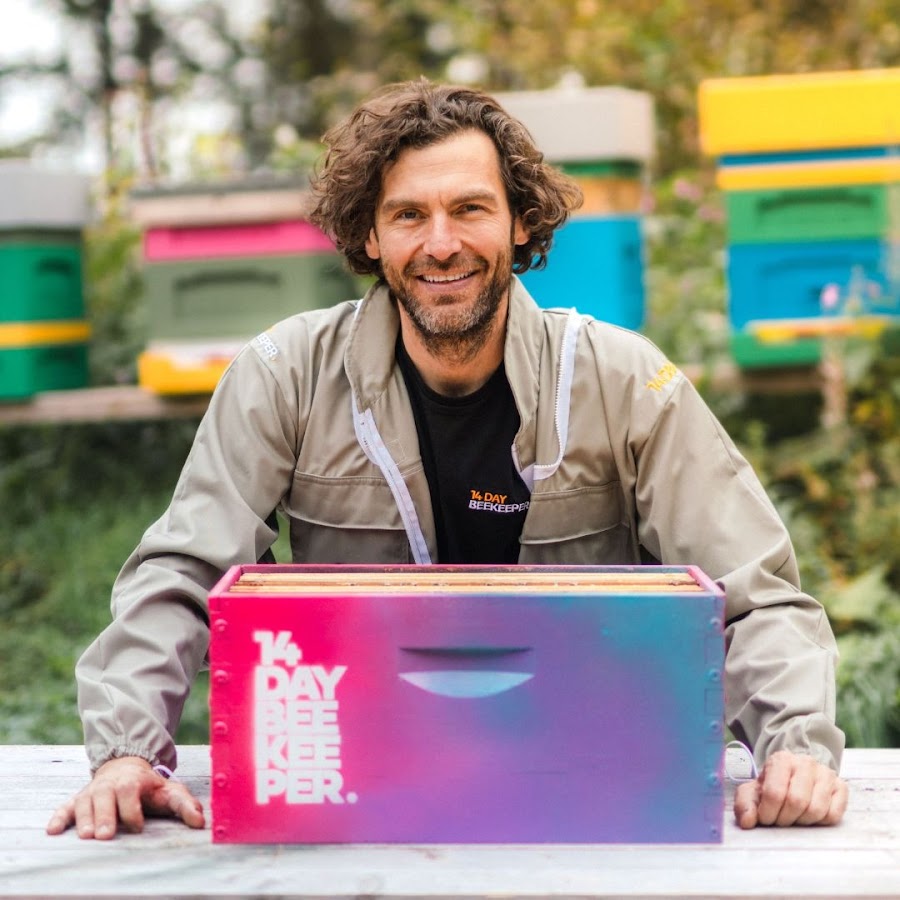
 Black Mountain Honey
🐝 Stop Guessing. Start Beekeeping Like an Expert. 🐝
Learn everything you need in just 14 days – fast, simple, and proven to work
🎥 👇👇 Join HERE
Posts
Black Mountain Honey
🐝 Stop Guessing. Start Beekeeping Like an Expert. 🐝
Learn everything you need in just 14 days – fast, simple, and proven to work
🎥 👇👇 Join HERE
Black Mountain Honey
Using my InstantVap Pro with Varroxal to treat varroa at the right moment 🐝
I am timing this oxalic acid sublimation to coincide with a natural brood break, when the queen has stopped or significantly reduced laying and there is little or no sealed brood in the hive. At this point almost all of the varroa in the colony are phoretic mites riding on adult bees, which makes them far more susceptible to oxalic acid vapour.
I dose Varroxal into the InstantVap Pro, seal up the hive and allow the vapour to circulate through the cluster. The fine oxalic acid particles settle on the bees and contact the mites directly. By waiting for a broodless or near broodless period, one well timed treatment can remove a large proportion of the mite load in a single pass instead of chasing mites that are hidden under cappings.
I always follow the manufacturer instructions for Varroxal and the InstantVap Pro, wear proper PPE, and keep entrances and gaps closed during treatment so the vapour stays in the hive. Afterwards I open everything back up and let the colony settle, then monitor mite levels so I know how effective the treatment has been.
If you want more detail on natural brood breaks, oxalic acid sublimation and how I build treatments like this into a yearly varroa plan, check out the longer step by step videos on our channel and save this post for your next treatment window.
1 week ago | [YT] | 34
View 3 replies
Black Mountain Honey
Timing Varroa Treatments Around Cold Snaps ❄️🐝
I like to use winter weather to my advantage. When we get a proper cold snap, the queen usually slows right down or even stops laying. Worker brood takes around 21 days from egg to emergence, so if laying drops down to zero during that cold spell you can use a simple three week rule to catch a natural brood break and really hit varroa with oxalic acid.
For us, the coldest snap so far was Friday 21 November, so the best chance for a big mite drop starts Friday 12 December. That is roughly three weeks later, when most sealed worker brood should have emerged and a high percentage of mites are riding on adult bees where oxalic acid can reach them.
For sublimation, I actually want it a bit milder so the cluster is not too tight. A slightly looser cluster lets the oxalic acid vapour move through the bees and contact more mites. While the temperatures have not stayed as low as I would have liked over these three weeks, I am hoping that first cold kick start has kept the queen down on laying and will still improve the efficacy of my treatments.
My target window this year is between Fri 12 Dec and Fri 19 Dec 2025 for a single Varroxal sublimation or drizzle. That is what I see as the optimum timing from this cold spell. There might be an even better opportunity in January or February if we get a really deep freeze, but I would not bank on that. This December window is already going to be highly effective.
On the day, I seal the entrances as best as I can and sublimate through the hole in the Abelo brood box, or top down from a purpose built eke. I use my Instant Vap Pro from Mêl Gwenyn Gruffydd Honey and it does the job very well indeed. FULL video on its way for 2026!
It is all about healthy bees. Keeping varroa numbers and the viral load as low as possible through winter gives your colonies the best chance to explode in spring and using the timing to your advantage, keeps you one step ahead.
Always follow the label on any oxalic product, wear proper PPE and stick to local regulations.
If you want structured, step by step guidance on how to plan your mite control across the whole season, you can learn more inside my 14 Day Beekeeper online training:
www.blackmountainhoney.co.uk/product-page/14-day-b…
1 week ago | [YT] | 36
View 0 replies
Black Mountain Honey
This is not just a Christmas present. This is your ticket to peace and quiet.
Gift them the 14 Day Beekeeper Hive Q Caddy & Tool Combo and watch them disappear into the garden for hours with their bees and a ready made community of beekeepers to talk to instead of you. You reclaim the garage, they get a new obsession. Everyone wins.
Shop the set:
www.blackmountainhoney.co.uk/product-page/14-day-b…
2 weeks ago | [YT] | 12
View 0 replies
Black Mountain Honey
Bee stings up close are wild… and this shot proves it 🐝📸
Stewart Wood spent a day with us recently capturing extreme close-up shots of honey bees, and he even took a sting to the finger by accident. The silver lining was that we could remove the sting and photograph it in insane detail. When Stewart zoomed in, it looked like a tiny hypodermic needle. Seeing it at that scale really shows just how incredible and precise honey bee biology is.
So why do bees sting?
Bees only sting as a last resort when they feel threatened. They aren’t aggressive by nature. When a honey bee stings a human, she pays the ultimate price. The barbed sting gets caught in thicker skin and tears away as she flies off. It’s a defensive sacrifice, not an attack. The same happens with any thick-skinned animal like badgers or bears but doesn't happen they sting another bee!
How does the sting work?
A honey bee’s sting is barbed like a miniature harpoon. Once it goes in, it locks in place and continues pumping venom for up to a minute. That’s why scraping the sting out quickly (never pinching!) really helps. The venom sac keeps pulsing long after the bee has gone.
Can you be allergic?
Most people experience swelling, redness, heat and itching. But a small percentage can have a serious allergic reaction. If you see symptoms like difficulty breathing, dizziness or widespread swelling, seek medical help immediately.
A few cool sting facts:
• Only female bees can sting.
• Queens can sting, but they almost never sting humans.
• Honey bees have barbed stings; bumblebees and wasps can sting repeatedly.
• Alarm pheromone smells a bit like bananas 🍌 — avoid banana scents around hives!
Bee stings are part of beekeeping and part of nature, but seeing one this close really highlights the engineering genius of the honey bee
3 weeks ago | [YT] | 18
View 0 replies
Black Mountain Honey
I’ve noticed a lovely trend over the last day or so – lots of people picking up the 14 Day Beekeeper programme as a voucher. Which can only mean one thing… a lot of beekeepers are about to get a very thoughtful Christmas gift 🎄🐝
Speaking as a beekeeper, if I was just starting out or feeling a bit unsure, being given a clear, simple guide on what to do and what to avoid would feel incredibly reassuring. It’s the gift of confidence, the gift of understanding and, honestly, the gift of a much calmer season ahead ✨
Winter is the perfect time to learn, and I know whoever receives these vouchers is going to be delighted. The only downside is you might not see them for a couple of weeks… once you start watching the lessons, it’s hard to stop!
A small gesture that might just make someone’s beekeeping year 💛
Tag your partner… just in case they need a little hint 👀🎁
Link in the comments.
3 weeks ago | [YT] | 6
View 1 reply
Black Mountain Honey
Premium tools deserve a premium home, and this Hive Q Hive Tool and Laser Engraved Caddy are exactly that. Made from precision-cut, laser-engraved wood and metal, the caddy fully disassembles for easy cleaning and sterilisation, and the hive tool is built to handle serious day-to-day beekeeping.
You can buy both items separately, or take advantage of a SUPER offer where you can get both for ONLY £44.99. They’re available directly from Simon The Beekeeper, who is even running an additional 5 percent sale on top of these prices.
I’ll be honest. I’m not sure if I’ll continue producing these, so this could be a genuinely limited, one-of-a-kind run. Once they’re gone, that’s it. The first one has my name on it. Who’s next?
3 weeks ago | [YT] | 22
View 5 replies
Black Mountain Honey
This Black Friday weekend, every purchase of 14 Day Beekeeper comes with a FREE Limited Edition Hive Q Hive Tool worth £14.99.
The offer closes Monday at midnight.
This isn’t just any hive tool. It’s a super high-quality, precision-made essential built to withstand years of hard work in the apiary. Branded with our Hive Q mark, it’s the perfect upgrade for any beekeeper.
Whether you’re investing in your own beekeeping journey or gifting 14 Day Beekeeper to someone special this Christmas, you’ll receive this FREE premium hive tool with your order (UK only).
A brilliant gift for the beekeeper who has everything or the beginner just getting started.
A complete win all round.
Secure your place now and claim your free tool while stocks last. Link in pinned comment 📌
3 weeks ago | [YT] | 9
View 1 reply
Black Mountain Honey
Because it works so hard, it deserves proper care. Keep it clean, keep it sharp, and make sure the edge is maintained so it can glide between boxes without damaging woodwork or crushing bees. A blunt or over-worn tool will slow you down and create frustration during inspections.
Choosing the right hive tool matters as well. You want something strong, balanced in the hand, with a reliable scraping edge and a comfortable grip. The tool should feel like an extension of your arm. When you get the right one, you’ll wonder how you ever worked without it.
Here’s a shot of me holding the 14 Day Beekeeper hive tool. It’s the exact type of tool I rely on every single day, built for durability and comfort, and designed to support you through inspections from day one.
Look after your hive tool and it will look after you. In beekeeping, it’s the small things that make a big difference.
3 weeks ago | [YT] | 17
View 3 replies
Black Mountain Honey
It dropped to around minus three to minus four here last night, with a really sharp frost. Exactly the sort of settled cold snap we hope for going into mid December. I’ve been tracking the pattern for the past week and it’s lining up nicely for a natural brood break.
What we’re ideally looking for is a consistent period of cold weather that’s just long enough to stop the queen from rearing brood, but not so long that it drags on. About three weeks after the start of that cold period is the perfect time to treat, just as the colony reaches a genuine broodless window.
And then comes the second part: we want the warmest possible day without the bees flying. That gives you a super loose cluster, allowing the oxalic acid sublimation to penetrate properly and hit the phoretic mites hard. When it lines up, it’s incredibly effective. When it doesn’t, the results can be mixed. That’s just the reality of working with the weather.
The best advice I can offer is simple: always aim for a late autumn or early winter oxalic acid treatment. It dramatically reduces mite loads, lowers viral pressure and sets your bees up for a healthier, stronger winter.
I’ll keep tracking it closely, but right now it’s looking very promising for a mid December Varroxal treatment during a natural brood break. Fingers crossed the pattern holds.
3 weeks ago | [YT] | 15
View 2 replies
Black Mountain Honey
Queen cells cause more confusion than almost anything else in beekeeping. We’re often taught to look at where they appear on the frame, but the truth is that swarm cells and supersedure cells are basically identical and can show up absolutely anywhere. I’ve seen a single supersedure cell sitting neatly on the bottom bar, and I’ve seen twenty swarm cells dotted right across the face of a frame. Location can help, but it’s not a rule you can fully rely on.
What really matters is the number of cells. When I see one or two queen cells across the whole hive, maybe three spaced far apart, that almost always suggests supersedure. The colony is quietly replacing a queen that isn’t performing as she should.
But when several cells start appearing together, especially six or seven on one frame, that usually means the colony is preparing to swarm. It’s an easy mistake to make, and I’ve seen plenty of beekeepers assume those cells are just supersedure, only to return a week later and find half the bees hanging in a chimney.
The approach that’s helped me the most is simple. Count the cells first. Look at the location second. A single cell in the middle of a frame is probably supersedure. A single cell on a bottom bar can still be supersedure. Multiple cells clustered together almost always indicate swarming.
Understanding this difference makes swarm control so much easier and takes a lot of stress out of inspections. I’d love to hear from you too. Do you have any rules you swear by in your beekeeping?
3 weeks ago | [YT] | 82
View 3 replies
Load more