
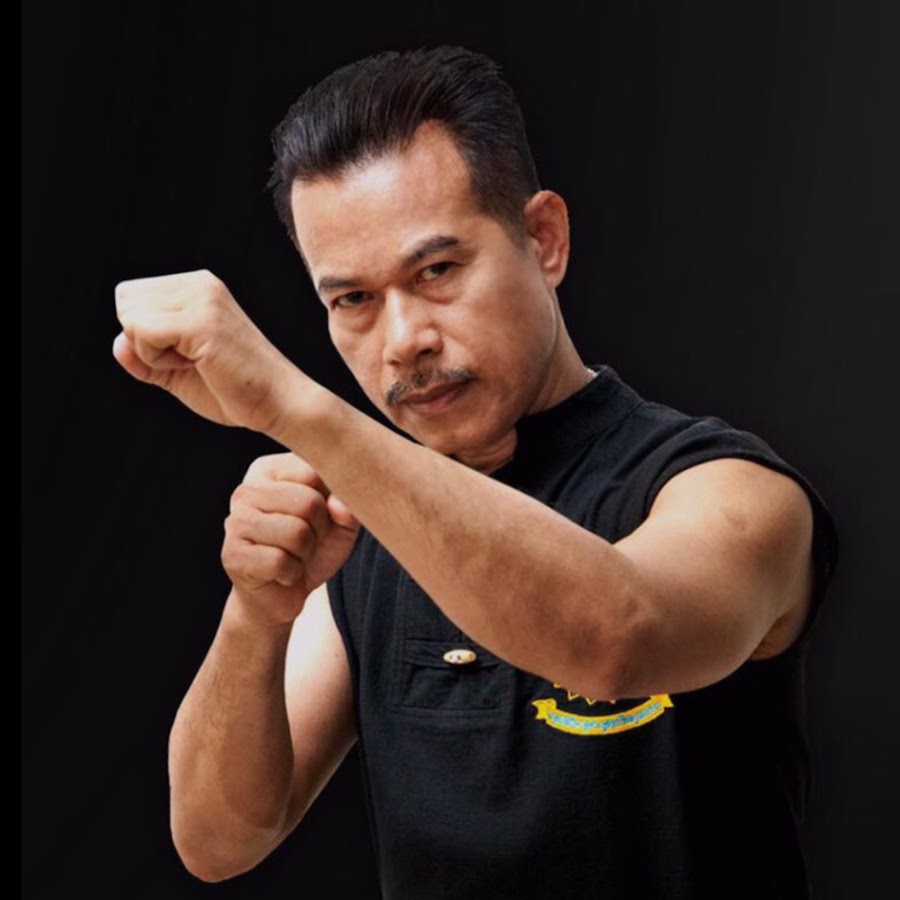
 Muay Chaiya BaanKruPraeng
Muay Thai Chaiya and Krabi Krabong by Siam Yuth Baan Kru Praeng
ศูนย์ศึกษาสยามยุทธ์บ้านครูแปรง เปิดสอน การป้องกันตัวด้วยมือเปล่า วิชา มวยไชยา - กายวุธ และ อาวุธไทย มีดสั้น กระบี่กระบอง ดาบไทย ทั้ง จ้าวราม อาทมาต ดาบเหนือ ดาบใต้
สามารถมาเรียนได้ที่
25/16 ซอย หทัยราษฏร์ 34/1 Sam Wa Tawan Tok, Khlong Sam Wa, Bangkok 10510
goo.gl/maps/qwmQDHuDXPd7JnNM8
ติดตามข้อมูลได้ที่
www.facebook.com/MuayThaiChaiya
Muay Chaiya BaanKruPraeng
Cord-Bound Fists [Eng]
Muad Kad Chueak, or cord-bound fists, was a traditional method of wrapping raw cotton rope around a fighter’s hands for protection during combat.
Before a bout, a boxer would bathe to refresh his body, and some would drape a damp loincloth (pha khao ma) over their shoulders. There were no dressing rooms like today—fighters would sit and prepare anywhere they could. The proper sitting posture required both knees raised to support the elbows as the arms stretched forward. Palms were faced downward with fingers fully spread.
The person responsible for wrapping the fists—usually the Kru Muay (boxing master), who also imparted martial knowledge and spiritual protection—would begin by placing sacred items. These included a prajiad (ritual armband believed to ward off harm), or a mongkhon (sacred headband consecrated in Buddhist-Tantric ceremonies for auspiciousness and victory), on the fighter’s head. Other protective charms such as takrud (metal scroll amulets), phitsamorn (amulet cords), and even symbolic weapons might also be attached, depending on the master’s lineage. Some masters would mark the fighter’s hand with symbols of the “Four Weapons” or weapons of the gods, according to their traditions.
Next, the raw rope was tightly wound around the wrists to stabilize the eight small bones of the hand and prevent dislocation or injury. It would then be wrapped loosely over the back of the hand and knuckles, going all the way to the fingertips. The wrap was then reversed back toward the knuckles and pulled tightly through the finger gaps, exposing the joints as hardened striking points.
At this stage, the fists remained relatively soft—almost like gloves.
With about one meter of rope left, the master would twist the rope into tight spirals, forming shapes like snail shells (kan thon hoi or “spiral butts”). The boxer had to wiggle his fingers to avoid numbness as these snail-shell knots were placed evenly across the back of the fists, increasing tightness and density with each one.
Yet these knots could still shift—so a “rope tail” about a meter long and as thick as a matchstick was used to secure and anchor the spirals. The master would “sak” (press and wedge) the ends to lock each spiral in place, similar to dulling the sharp spines of a durian.
When it came time for serious combat, the master would spray or spit water onto the fists. The raw rope would soak up the moisture, swell, and become rock hard. For opponents whose guard wasn’t airtight—or whose charms lacked power—one punch could be enough to need assistance walking home, blind and dazed.
For this reason, fighters of the past were trained to defend themselves rigorously before learning advanced offensive techniques. It could take 3 to 4 years before a master would allow a student to test themselves in a real ring—which reflects the meaning of “Luk Sit” (disciple), one who is loved like a son.
Interestingly, the rope used for Muad Kad Chueak (some masters even used funeral shroud rope) was often reused for many years. Blood and flesh would become encrusted on the fibers, making them stiff and sharp like sandpaper.
There’s a widely told tale that the rope was soaked in rice water and coated with powdered glass (like razor-sharp kite string), but as the writer confesses—having never seen it personally—this remains a legend.
What is confirmed is the ancient tradition that, before any match, a fighter would gently stroke his own rope-bound fists across his face to demonstrate their hardness to the referee.
“A True Muay Thai Person has soft hands, but hard fists.” (Meaning that the person is diligent, always kind and polite, but has hard fists when it comes to fighting.)
(Fah Muang Thai, Year 4, Issue 193, Thursday, November 30, 1972 – “Review of Muay Thai”, Pages 26–27)
#มวยไทยโบราณ #สาระน่ารู้มวยไชยาบ้านครูแปรง #เสือลากหาง #ทุ่มทับจับหัก #มวยไชยา #มวยไชยาบ้านครูแปรง #muayboran #มวยโบราณ #ประวัตินายปล่องจำนงทอง #ประวัติหมื่นมวยมีชื่อ #ประวัติมวยไชยา #muaychaiya #history
7 months ago | [YT] | 23
View 0 replies
Muay Chaiya BaanKruPraeng
- หมัดคาดเชือก - [TH]
หมัดคาดเชือกเป็นวิธีพันด้ายดิบเสริมป้องกันมือมิให้เป็นอันตราย
นักมวยที่จะแข่งขันต้องอาบน้ำชำระกายเพื่อให้เกิดความชุ่มชื่น และบางรายยังใช้ผ้าขาวม้าหมาดๆ คลุมไหล่ไว้อีก แล้วนั่งกับพื้นที่ไหนก็ได้ เพราะไม่มีห้องแต่งตัวอย่างในปัจจุบัน
การนั่งต้องชันหัวเข่าไว้ทั้ง ๒ ข้างเพื่อรับแขนที่เหยียดออกไปข้างหน้าตรงข้อศอก
คว่ำมือกางนิ้วออกเต็มที่ พี่เลี้ยงหรือคนให้น้ำซึ่งความจริงเป็นครูมวยผู้ประสิทธิ์วิทยาการและวิทยาคมปลุกเสทเครื่องรางของขลังด้วยพระคานารายณ์แสงหรือสุดแต่จะไช้บทใดตามที่ได้เรียนมา แล้วก็สวมประเจียด (ผ้ายันต์ที่เชื่อว่าป้องกันอันตรายได้) หรือมงคล (ด้ายสายสิญจน์ที่เข้าพิธีพุทธตันตระเพื่อสิริและโชคชัย) ไว้บนหัวนักมวยก่อนเครื่องคาดอื่นๆ เช่น ตะกรุด พิสมร อาจารย์บางท่านอาจลงธนูมือ หรืออาวุธ ๔ ประการ หรืออาวุธพระเจ้าสุดแต่ความนิยม
แล้วเริ่มคาดด้ายดิบตรงข้อมือเพื่อให้กระดูก ๘ ชิ้นกระชับมั่นคงไม่เคล็ดไม่ซ้น ต่อจากนั้นก็พันรอบๆหลังมือและซองมือไปจนจดปลายนิ้วอย่างหลวมๆ หันกลับมาทางข้อนิ้วมืออีกครั้งหนึ่ง แล้วจึงสอดด้ายรวบรั้งจากปลายนิ้วเข้ามาจนเลยง่ามมือ ให้ข้อนิ้วโผล่กลายเป็นอวัยวุธ
*(ถักก้นหอย)ถึงระยะนี้หมัดที่คาดเชือกยังคงอ่อนนุ่ม (คล้ายนวม) เมื่อด้ายดิบยังเหลือจากการพันประมาณ ๑ เมตร ครูผู้คาดหมัดจะบิดด้ายดิบให้เป็นเกลียวเขม็งแข็งเป็นตัวหอย นักมวยต้องขยับนิ้วป้องกันอาการเหน็บ สอดก้นหอยเข้าที่ทีละตัวเรียงรายจนทั่วหลังหมัดมีความตึงขึ้นทุกที เท่านี้ยังไม่พอเพราะก้นหอยยังพลิกได้ จึงต้องใช้ด้ายขนาดก้านไม้ขีด ยาวประมาณ ๑ เมตร เรียกว่า "หางเชือก" ผู้คาดหมัดต้องใช้หางเชือก "สัก" คือสอดตรึงให้ก้นหอยที่เอียงไปมาได้ ตั้งตรงทำนองเดียวกับหนามทุเรียนที่ขริบเอาปลายแหลมออก
*เมื่อจะเริ่มการชกต่อยจริงจัง ครูมวยยังอมน้ำพ่นลงบนหลังหมัด ด้ายดิบที่ถูกบิดกลมๆ เป็นก้นหอยก็จะดูดน้ำเบ่งตัวแข็งเป๊ก ปฏิปักษ์ที่ปิดป้องไม่รัดกุม หรือเครื่องรางของขลังไม่ศักดิ์สิทธิ์ อาจต้องใช้เพื่อนจูงกลับบ้านเพราะมองไม่เห็นทาง ฉะนั้นนักมวยในสมัยโบราณจึงต้องฝึกฝนการป้องกันตัวก่อนการเรียนแม่ไม้ลูกไม้อย่างอื่นและก่อนที่ครูบาอาจารย์จะปล่อยให้ทดสอบสมรรถภาพในสนามอาจต้องใช้เวลาถึง 3-4 ปี สมกับความหมายของคำว่า “ลูกศิษย์” หรือรักเหมือนลูก
อนึ่งด้ายดิบที่ใช้คาดหมัด (ซึงบางอาจารย์ใช้ด้ายตราสังศพก็มี) มักจะถูกเก็บไว้ใช้นานปี เลือดก็ตาม เนื้อก็ตาม ซึ่งมักติดเกรอะกรังที่ด้ายจึงแข็งคมเหมือนกระดาษทราย ส่วนที่เล่าลือต่อๆ กันมาว่า เชือกคาดหมัดนักมวยสมัยโบราณเป็นด้ายดิบชุบน้ำข้าวและยังแถมโรยผงแก้ว (เหมือนทำป่านคม) ด้ายนั้น ยังไม่เคยเห็นด้วยตาจึงไม่กล้ายืนยัน
ขอเสนอเป็นข้อสังเกตแต่เพียงว่า นักมวยจำต้องใช้หมัดตนเองลองลูบหน้าให้กรมการดูก่อนเริ่มชกตามประเพณี
“มวยไทยแท้มืออ่อน แต่หมัดแข็ง”
(ฟ้าเมืองไทย ปีที่ ๔ ฉบับที่ ๑๙๓ วันพฤหัสบดีที่ ๓๐ พฤศจิกายน พ.ศ ๒๕๑๕) - หนังสือปริทัศน์มวยไทย หน้า ๒๖ – ๒๗
---------------------------------------------------------------------------
#มวยไทยโบราณ #สาระน่ารู้มวยไชยาบ้านครูแปรง #เสือลากหาง #ทุ่มทับจับหัก #มวยไชยา #มวยไชยาบ้านครูแปรง #muayboran #มวยโบราณ #ประวัตินายปล่องจำนงทอง #ประวัติหมื่นมวยมีชื่อ #ประวัติมวยไชยา #muaychaiya #history
7 months ago | [YT] | 73
View 2 replies
Muay Chaiya BaanKruPraeng
Thum - Thap - Jab - Hak (Throw, Crush, Grapple, Break) (Mr. Plong Jamnongthong)
Father smiled when he heard the words, “I’ll fight to the death.” He reached out and touched his favorite student’s neck, signaling a deadly point while gently reassuring him—it wasn’t in vain being born near the salty seas. Then he leaned in and whispered in his ear: “Jab - Hak” (Break him). This was the name of a major combat tactic in the Thai martial art known as Muay Thai Paahuyuth.
When Nai Plong Jamnongthong had recovered and was ready to face his rival, the crowd roared in anticipation. They were eager to witness the thrilling showdown between the two top fighters—one from Korat (northeast), the other from Chaiya (south).
Plong stared intensely at his opponent without blinking. Raising both fists to touch his forehead above the Unalome, he performed a symbolic short Wai Khru salutation in the manner of Southern Muay Thai style. Every movement showed caution—he could not afford to lose a second time. He carefully advanced, using the”Yaang Sam Khum - Khum Daen Yak” (the three-step stride), beginning the duel with the attitude of one ready to die. He crouched low, head bobbing erratically in a mock drunken sway, mimicking a staggering man just sobering up.
The Korat boxer eyed him warily—this Southern fighter still had guts in him. Confidence and perplexity mixed in his stare.
Plong crouched even lower, arms bent, weaving his fists left and right to guard his face and ribs (Phan Mad). He crept forward on his toes into the danger zone, stirring uncertainty in the Korat fighter, who was preparing to unleash a devastating move from the northeastern plains.
“Kick! Kick! Kick!” Yelled the crowd.
Plong’s poised feet shifted restlessly, ready to lash out in an instant. But still, he waited—for the perfect moment.
He could hear the warnings: “Don’t crouch too low! Don’t crouch! You’re gonna get killed!” But he didn’t care. He had decided to die with honor. As he drew nearer, his eyes locked on the opponent’s lower abdomen—on a vital point known in traditional massage as Sumana.
His muscles twitched, ready to spring into deadly action.
The Korat opponent grew increasingly suspicious, weaving his arms defensively in anticipation of a close-range strike. He was prepared to unleash a shin kick if attacked.
Plong raised his left knee, easing into the danger zone, his right leg stretched far behind in the style of “Suea Laak Hang” (stalking tiger). Still, his opponent didn’t kick, even when the chance was obvious. The crowd howled, but to no avail. The moment wasn’t yet right. This was the wisdom passed down from the old masters—strike only when the time is right.
Now Plong’s face was at knee level to his opponent, less than a meter away. He clenched his teeth, ready for a final gamble. If it failed, he’d be carried away. With a sudden movement, he swept his right hand to parry his rival’s left shin near the chest. The crowd fell silent—shocked by the reckless daring of this Southern-style Muay Chaiya fighter.
In that instant, the opponent’s mighty right leg unleashed a devastating kick, known in folklore as “The Kick of Korat.” Which used to spread fear among outsiders by the past.
But in the same moment, Plong Jamnongthong, the Chaiya boxer, slid his right leg swiftly forward under his opponent’s stance, twisted his right elbow up under the chin, and pivoted so that his right arm blocked over the opponent’s left temple. Then he surged upward with a counter-spin, pulling the kicking leg close to him and dragging the rival off balance. Simultaneously, he drove his rival’s head forcefully down in a grappling move known as “Hiranyak Yak Muan Phaendin” (The Giant Hiran Rolls the Earth).
The Korat boxer’s neck hit the ground, with Plong’s knee and elbow crushing his opponent’s chest and stomach. The crowd erupted in deafening roars—no one knew who was cheering for whom. There were no referees or appointed judges like today. In the old days, the officers had to remain neutral and absolutely impartial—they could not interfere in any way.
When the fight paused, as per tradition, because both fighters fell entangled to the ground, it was Plong Jamnongthong who rose first. His opponent remained flat on his back, eyes closed. His cornermen rushed to carry him to the shade, trying to revive him with massages. But the Korat boxer, having been “Jab Hak” (caught and broken), lay with his neck crooked—unable to rise and fight again, even as night fell.
Thus, fighters from Chaiya and the South regard “Thum - Thap - Jab - Hak” (Throwing, Crushing, Grappling, and Breaking) as the highest level of Muay Thai mastery. It is a way to overcome even those who excel in kicking. Anyone who seeks fame and progress in the art must train relentlessly until they master these skills.
If one teaches but cannot do—he is no true master.
Only One Regret
The author once heard from Phraya Prawatisutthikon (Charoen Tulayanon), a royal accountant under the Ministry of Interior, that…
In a match held before King Rama V, where a Chaiya fighter was repeatedly kicked but still defeated a Korat boxer, the spectacle was so intense that the audience gaped in awe. Both sides had unleashed their most secret and refined techniques—taught only by grandmasters. But there was one flaw:
Every lineage kept their secrets tightly guarded, reserving them only for their own disciples. These devastating finishing moves (Mai Ded) —“one strike to end it all”—never spread widely because they often died with the masters themselves.
For example, the legendary move called “Luk Dueay” was once an important secret technique. Today, almost no one knows how it was truly performed.
The Rise of “Muen Muay Mee Chue” (The Boxer of Fame)
With his overwhelming victory and royal praise, Mr. Plong Jamnongthong was granted the noble title “Muen Muay Mee Chue” (Lord of Famed Boxing), alongside other top-tier fighters, as is now known.
(Fah Muang Thai, Vol. 6, Issue 302, Thursday, January 2, 1975 –
“Review of Muay Thai,” pp. 475–478)
#มวยไทยโบราณ #สาระน่ารู้มวยไชยาบ้านครูแปรง #เสือลากหาง #ทุ่มทับจับหัก #มวยไชยา #มวยไชยาบ้านครูแปรง #muayboran #มวยโบราณ #ประวัตินายปล่องจำนงทอง #ประวัติหมื่นมวยมีชื่อ #ประวัติมวยไชยา #muaychaiya #history
7 months ago (edited) | [YT] | 65
View 0 replies
Muay Chaiya BaanKruPraeng
- ทุ่ม ทับ จับ หัก (นายปล่อง จำนงทอง) -[ TH/Eng ]
คุณพ่อยิ้มออก เมื่อได้ยินคำว่า "สู้ตายคาตีน" เอื้อมมือลูบก้านคอลูกศิษย์ตัวโปรดเป็นนัยชี้จุดมรณะพลางปลอบใจที่ไม่เสียแรงเกิดใกล้แดนน้ำเค็มต่อจากนั้นได้แนบหน้าเข้ากระซิบข้างหูให้ "จับหัก" อันเป็นกระบวนแม่ไม้กลในสาขาวิชามวยไทย (พาหุยุทธ์)
เมื่อนายปล่อง จำนงทอง ได้พักฟื้นตัว พร้อมที่จะออกเผชิญหน้ากับปฏิปักษ์ ประชาชนคนคู่ก็ป้องปากโหร้องต้อนรับ เพราะหวังจะได้ดูการพันตูระหว่างมวยคู่สำคัญของเมืองโคราชและเมืองไชยาให้จุใจ
นายปล่องจ้องเขม็งไปยังร่างคู่ปรับอย่างไม่กะพริบตา ยกหมัดครู (สองหมัดแตะหน้าผากเหนืออุณาโลมเป็นสัญสัญลักษณ์ของกรไหว้ครูอย่างย่อของมวยใต้) ด้วยความระมัดระวังตัวเพื่อมิให้เสียทีซ้ำสอง บรรจงย่างสามขุม คลุมแดนยักษ์ เริ่มการต่อสู้แบบ "ยอมตายคาตีน" ย่อตัวลงต่ำ สันหัวดิกๆทำทีตุปัดตุเป๋ (Strolling) คล้ายกับคนที่เพิ่งส่างเมา
นักมวยโคราชมองเขม้นดูลักษณาการมวยไชยาที่ยังฮึดสู้ มั่นใจและแปลกใจระคนกัน
นายปล่อง จำนงทอง ยอบตัวต่ำลงๆ งอศอกพันหมัดซ้ายขวาสลับป้องกันด้านหน้าตลอดถึงชายโครง ค่อยๆ กระดิบๆ ด้วยปลายนิ้วตีนเข้าหาปฏิปักษ์ในแดนอันตราย ก่อความสนเท่ห์ลังเลใจให้แก่นักมวยโคราชซึ่งรอจังหวะพิฆาตคู่ปรับด้วยไม้สำคัญของชาวที่ราบสูง
เอาซี! เตะ! เตะ! เป็นเสียงตะโกนติดต่อจากรอบสนาม
ตีนที่เขย่งขยับสับเปลี่ยน พร้อมที่จะฟาดเปรี้ยงทุกขณะ จำต้องรอจังหวะเพื่อผลทีเดียวอยู่
นายปล่องเองก็ได้ยินเสียงเตือน อย่าย่อต่ำ! อย่าย่อต่ำ! เดี๋ยวตาย! แต่ไม่ยอมฟังเสียง เพราะได้ตั้งใจยอมตายคาตีน ยิ่งประชิดเข้าไป ตาจ้องจับบริเวณท้องน้อยตรงจุดหนึ่งในสามที่เรียกว่า "สุมนา" ตามตำราหมอนวด
กล้ามเนื้อแขนขาของนายปล่องดิ้นยุบยิบ พร้อมที่จะปฏิบัติงานสำคัญทันทีทันใด
ปฏิปักษ์ชาวโคราชยิ่งสงสัยเชิงของคู่ต่อสู้ยิ่งขึ้น รัวแขนไขว้ป้องกันตีวงใน พร้อมที่จะดีดด้วยแข้งหากถูกจู่โจม
นายปล่องคงชันเข่าซ้าย เคลื่อนตีนเข้าแดนอันตรายหรือระยะตีนส่วนขาขวาเหยียดยาวทอดไปข้างหลังทำนอง "เสือลากหาง" ก่อนตะครุบเหยื่อ
คู่ต่อสู้ยังไม่เตะทั้งๆ ที่น่าเตะได้ ประชาชนคนดูโห่เท่าไรก็โห่ไป เมื่อยังไม่ได้ช่องเหมาะก็ยังไม่ทำ ซึ่งเป็นคำอบรมสั่งสอนของบรรดาครูบาอารย์
ขณะนี้หน้าของนายปล่อง จำนงทอง อยู่ในระดับเข่าของปฏิปักษ์และห่างจากตีนไม่ถึง ๒ ศอก กัดฟันตัดสินใจครั้งสุดท้ายพลาดท่าก็หาม นายปล่องรีบเอื้อมมือขวาปัดปลายขาซ้ายด้านอกของคู่ต่อสู้ คนดูนิ่งเงียบด้วยตกตะลึงที่เห็นมวยไชยากล้าเสี่ยงอย่างบ้าบิ่น ทันทีทันได้นั้น ตีนขวามหาประลัยก็ผลุดจากแหล่งสมดังดังเพย "ตื่นดีโคราช" ซึ่งยังความขยั้นครั่นคร้ามไว้แก่นักมวยต่างถิ่นทั่วๆ ไป
ในพริบตาเดียวกันนั้นเอง นายปล่อง จำนงทอง นักมวยไชยารีบลากขาขวาเสือกพรวดไปข้างหน้าใต้หว่างขาปฏิปักษ์ งอศอกขวาไขว้แนปลายคางจนหมัดขวาพาดปิดขมับเหนือหูซ้าย ทะลึ่งลุกพลิกเหลี่ยม กระชากขาขวาผู้เตะเข้ามาชิดตัวจนปฏิปักษ์เสียศูนย์ พร้อมกันนั้นก็กดหัวปฏิปักษ์ทิ่มลงกับพื้นแบบ "หิรัญยักษ์ม้วนแผ่นดิน" ก้านคอด้านหลังของนักมวยชาวโคราชสัมผัสพื้น โดยมีร่างกำยำนำด้วยศอกประกับเข่าของมวยไชยาทับลงไปบนหน้าอกและท้องน้อย ท่ามกลางเสียงโห่ร้องก้องบริเวณโดยไม่ทราบว่าใครโห่ให้ฝ่ายไหน และไม่มีกรรมการหรือผู้ทรงเกียรติที่ถูกตัดเลือกเป็นผู้ตัดสินช่วยรับดังที่เคยเห็นๆ กันอยู่บ่อยๆ ในปัจจบัน เพราะโบราณถือว่า กรมการหรือกรรมการต้องเป็นกลางและเที่ยงธรรม จะช่วยเหลือหรือเข้าข้างหนึ่งฝ่ายใดไม่ได้เป็นอันขาด
เมื่อการต่อสู้ชะงักลงชั่วคราวตามประเพณี เพราะนักมวยทั้งคู่ล้มติดพันกันลงไป ปรากฏว่านายปล่อง จำนงทอง เป็นฝ่ายลุกขึ้นได้ก่อน ส่วนปฏิปักษ์ยังคงนอนหงายหลังหลับตาพริ้ม จนพวกพี่เลี้ยงต้องช่วยกันหามเข้าพุ่ม (ที่พักให้น้ำ) พยายามนวดเฟ้นแก้ไขด้วยความห่วงใย แต่นักมวยถูก "จับหัก" นอนคอเอียง ไม่อาจลุกขึ้นชกแก้ตัว จนกระทั่งเวลาค่ำมวบเลิก
ฝ่ายไชยาหรือมวยภาคใต้โดยทั่วไปจึงได้นับถือกันว่า "การทุ่มทับจับหัก” เป็นขั้นอุดมศึกษาของวิชามวยไทย เพราะอาจปราม หรือเอาชนะปฏิปักษ์ที่ถนัดและชำนาญตีนได้ ผู้ใดหวังชื่อเสียงการก้าวหน้าจำต้องเพียรพยายามฝึกฝนจนจัดเจน -หากดีแต่สอนทำไม่ได้ ไม่ใช่ครู-
-เสียอย่างเดียว-
ผู้เขียนเคยได้รับทราบจากคำเล่าอำมาตย์เอก พระยาประวัติสุทธิกรณ์ (เจริญตุลยานนท์) หัวหน้ากองบัญชี กรมนคราทร กระทรวงมหาดไทย ว่า
มวยหน้าที่นั่งรัชกาลที่ ๕ ซึ่งมวยไชยาถูกเตะชักแต่กลับเอาชนะมวยโคราชได้นั้น ทำให้เกิดความตื่นเต้นเหลือขนาด ถึงอ้าปากค้างเพราะต่างฝ่ายต่างเปิดฉาก “ไม้เด็ด” ที่ได้รับการฝึกฝนอย่างจัดเจนจากปรมาจารย์มีเสียอยู่อย่างเดียวที่ต่าง -คณาจารย์ต่างพยายามปิดบังเล่ห์เหลี่ยมลูกไม้ไว้ใช้เฉพาะหมู่คณะของตน- “ไม้เด็ด”(ทีเดียวอยู่) จึงไม่ค่อยจะแพร่หลายเพรามักจะถูกไปพร้อมกับร่างกายของคณาจารย์นั้นๆ ยกตัวอย่าง เช่น “ลูกเดือย” ซึ้งเป็นไม้ลับสำคัญ ในปัจจุบันก็ทับจะหาคนรูไม่ได้เสียแล้ว ว่าจะต้องมีวิธีการอย่างไร....
-กำเนิดหมื่นมวยมีชื่อ-
ด้วยชัยชนะอันเฉียบพลันเหนือคู่ต่อสู้ และพระราชปรารภในหมู่ข้าราชบริพารใกล้ชิดว่า “อ้ายนี่สำคัญ” นายปล่อง จำนงทอง จึงได้รับพระราชทานบรรดาศักดิ์เป็นที่ “หมื่นมวยมีชื่อ” พร้อมกับนักมวยเอกผู้พิชิตคนอื่นๆตามที่ทราบกัน
(ฟ้าเมืองไทยปีที่ ๖ ฉบับที่ ๓๐๒ วันพฤหัสบดีที่ ๒ มกราคม พ.ศ.๒๕๑๘) - หนังสือปริทัศน์มวยไทย หน้า ๔๗๕ - ๔๗๖ , ๔๗๗ , ๔๗๘
----------------
#มวยไทยโบราณ #สาระน่ารู้มวยไชยาบ้านครูแปรง #เสือลากหาง #ทุ่มทับจับหัก #มวยไชยา #มวยไชยาบ้านครูแปรง #muayboran #มวยโบราณ #ประวัตินายปล่องจำนงทอง #ประวัติหมื่นมวยมีชื่อ #ประวัติมวยไชยา #muaychaiya #history
7 months ago | [YT] | 109
View 1 reply
Muay Chaiya BaanKruPraeng
วิชาแท้จริงจะหายไป หากยังหารากวิชาตนเองไม่เจอ...
เรากำลังอยู่ในยุคที่ผู้คนศึกษาง่าย เรียนง่ายตามสื่อ Social แน่นอนว่าก็มีทั้งข้อดีและข้อเสียเฉกเช่นวิชามวยโบราณ
เราในฐานะผู้อนุรักษ์ รักษา เผยแพร่ความถูกต้องที่มั่นคงของมวยโบราณจึงรู้สึกถึงความตกต่ำและหายากในศาสตร์ศิลป์ที่แท้จริง???!!
ครูบาอาจารย์ในอดีต จะพร่ำสอนศิษย์เรื่องศีลธรรม คุณธรรม จริยธรรม ความสื่อสัตย์กตัญญู ต่อผู้มีพระคุณ ทุกสำนักจะรักเกียรติ รักศักดิ์ศรี หยิ่งในวิชา วิทยาการสายตน อย่างสูงสุด ไม่ขอเอาวิชการ หลักการของสายอื่นมาปลอมปน แม้จะรู้ว่าของตนด้อยกว่า ไม่มีชื่อเสียงเท่าของสำนักอื่นก็ตาม การแอบเรียนแอบฝึก แอบดูวิชาคนอื่นสายอื่นจึงเป็นเรื่องใหญ่ที่น่าอัปยศที่สุด และหากแอบไป Copy ไปดูเอามาใช้เพื่อต่อยอดของตนยิ่งมิควร แม้คนอื่นไม่รู้แต่ตนนั้นรู้ดี
ปฏิเสธไม่ได้เลยว่าปัจจุบันคุณธรรมเหล่านี้ได้หายไปจากการบ่มเพาะกล่อมเกลา ทำให้มีการแอบลอกเลียน เอาเคล็ดวิชา วิธีฝึกของสำนักอื่นมาเป็นของตนอย่างไม่ละอายแก่ใจ อาจเป็นเพราะโลกธรรมแปด มันครองใจมองเห็น ประโยชน์ที่ตนจะได้ทั้งชื่อเสียง ลาภยศ มีคนนับหน้าถือตายกย่องให้เป็นครูจนพองตัวลืมรากวิชาที่แท้จริงของตนเพราะมีสื่ออยู่ที่ปลายนิ้วช่วยกระพือให้หลงทางจนมืดบอด คิดแต่จะสร้างชื่อ จนเป็นการไม่เคารพ ไม่ซื่อสัตย์ต่อสายวิชาตนเอง อันถือเป็นการทำลายรากของตน มากกว่าการช่วยพัฒนา
การเป็นครูไม่ใช่เป็นได้ง่ายๆต้องผ่านคุณสบัติครบถ้วนทั้งวิทยาการ คุณธรรม จริยธรรม ซื่อสัตย์ กตัญญู และครูแต่งตั้งยกให้ฯ มิใช่แค่ดูเอาจากสื่อ ไปหาครูเพียงเล็กน้อย ยังไม่ผ่านพื้นฐานเลยก็ออกสื่อ เปิดช่อง ก่อให้เกิดการผิดเพี้ยนของวิชา พอทำท่ามีแฟนคลับเรียกครู ก็ตั้งตนเป็นครูเองอย่างง่ายดาย โดยไม่รู้สึกละอายแก่ใจ ?!
ดังนั้น
ในอดีตจะหาครูสักสายวิชาจะเป็นการหายากพอดู แต่ถ้าพบแล้วรับรองเป็นของแท้แน่นอน
แต่........ปัจจุบันนี้สำนักมวยโบารณมีมากมายเป็นสิบเป็นร้อยสำนักแต่หาแท้ที่สืบสายมาอย่างถูกต้องเป็นที่รับรอง ได้ยากยิ่งนักฯ(ตาดีได้ตาร้ายอาจซวย)
ด้วยความเป็นห่วงรากเหง้าวิชาไทย
------------------------------------------------------------------------------------------------------------------------------------
The true knowledge will disappear once you are unable to find your own roots.
We are in an era where people can learn everything on social media. Of course, there are both pros and cons to that. Let’s take Muay Boran…
As the heirs and guardians of the authentic Muay Boran we start to worry about the increasing rarity of the authentic art.
In the past, teachers would teach their students about morality, virtue, ethics, and honesty and gratitude to benefactors. Every school would swear by honor, dignity, and be proud of their own knowledge and science to the utmost. They would not mix in knowledge and principles from other styles, even if they knew their own people were inferior and not as famous as those of other schools. Secretly observing, studying and copy the knowledge of others in other schools was a great shame. And using that knowledge to further their own development was even more inappropriate. Even if others didn’t actually know about it.
It’s undeniable that today these virtues have been lost from common practice, causing people to secretly copy and claim to themselves the work from other styles without any shame. As we see with the eight worthy certainties, they have fallen into the appeal of fame, fortune and praise from all those people venerating them as masters until they feel so smug and forget their true roots because of those media at their fingertips that lead them astray until they become blind, thinking only of being someone, to the point that they even become disrespectful and lose all loyalty to their own lineage. They are actually destroying their own roots rather than preserving them.
Being a teacher is not an easy thing. You have to have all the qualifications of knowledge, morality, ethics, honesty, gratitude, and be appointed by the teacher. It is not just searching through the internet, going to find a teacher for a little while, not even going through the basics thoroughly, then appearing in the media, opening channels and distorting the art with personal interpretations. When you know you have fans calling you a master, and you choose indeed to set yourself up as a self-proclaimed master, don’t you feel an ounce of shame?
In fact
In the past, it was sometimes difficult to find a teacher for a certain subject, but when you did find one, you were sure he was an authentic teacher.
But…nowadays, there are hundreds of Muay Boran schools. However, finding a genuine school that actually preserved the authentic knowledge is extremely difficult (sometimes you win, sometimes you lose).
1 year ago | [YT] | 19
View 1 reply
Muay Chaiya BaanKruPraeng
ท่าไหว้ไทย สู่ การป้องกันตัว ผู้หญิงก็เรียนได้ (เฉพาะสมาชิกเท่านั้น)
การไหว้ สู่อาวุธเเละการรับอย่างกายวุธบ้านครูแปรง
การไหว้ อ่อนโยนแต่ไม่อ่อนแอ' 'เข้มแข็งแต่ไม่แข็งกระด้าง'
คำนี้เหมาะสมที่สุดกับการใช้สำหรับท่าไหว้อย่างไทย ทุกคนรู้หรือไม่เเค่การไหว้ ก็สามารถนำมาสู่การป้องกันตัวได้เช่นกัน ครูแปรงเคยสอนไว้ว่า จะเป็นการต่อสู้ต้องรู้จักระวังตัวอยู่เสมอไม่ว่าจะทำอะไรอยู่ก็ตาม ทั้งยังยึดหลักสามขุมไว้เสมอในทุกอริยาบท #guyyawutkrupraeng #ศูนย์ศึกษาสยามยุทธ์บ้านครูแปรง #กายวุธครูแปรง
1 year ago | [YT] | 2
View 1 reply
Muay Chaiya BaanKruPraeng
คนถามหาเยอะ ต้องขออนุญาตรีรันอีกรอบครับ ว่าทางบัวขาวเเละครูแปรงเป็นครูเเละศิษย์กัน 👍🏻
1 year ago | [YT] | 96
View 3 replies
Muay Chaiya BaanKruPraeng
คุณรู้จักลูกไม้ "พิงเเข้งชก" หรือไม่ ?
2 years ago | [YT] | 53
View 0 replies
Muay Chaiya BaanKruPraeng
ไปฟังสาระความรู้จากครูแปรงในเเง่มุมต่างๆกันครับ เเอบกระซิบว่า ครูแปรงมีงงอะไรบางอย่างด้วย ห้ะ! ครูแปรงเนี่ยนะ จะงงเรื่องอะไรกันนร้าาา ใครอยากรู้ ลองไปฟังดูครับ อาจเปลี่ยนความคิดใครหลายๆคนได้นะ
*กรุณาเเสดงความคิดเห็นอย่างสุภาพเเละไม่อคติกันนะครับผม*
4 years ago | [YT] | 11
View 0 replies
Load more